world-wide urbanization with concepts
emerging from the margins
beyond the colonial-capitalist core
shaped urban landscapes globally
of the world informed
20th-century urbanism
Contested Adaptation. Housing in Ghana by Victor Adegbite and Charles Polónyi, conference of the Society of Architectural Historians, Atlanta (USA), May 2, 2025, with Michael Gameli Dziwornu
Bartering Architecture: State-Socialist Building Export in the Late Cold War, conference Architecture and Decentralization: Buildings, Landscapes, Economies, University of Toronto (CA), April 25, 2025
The Architectural Gift: How Donated Buildings Shape Urbanism Across Four Continents, Eurasian Geography Plenary, Association of American Geographers Annual Meeting, Detroit (USA), March 24, 2025
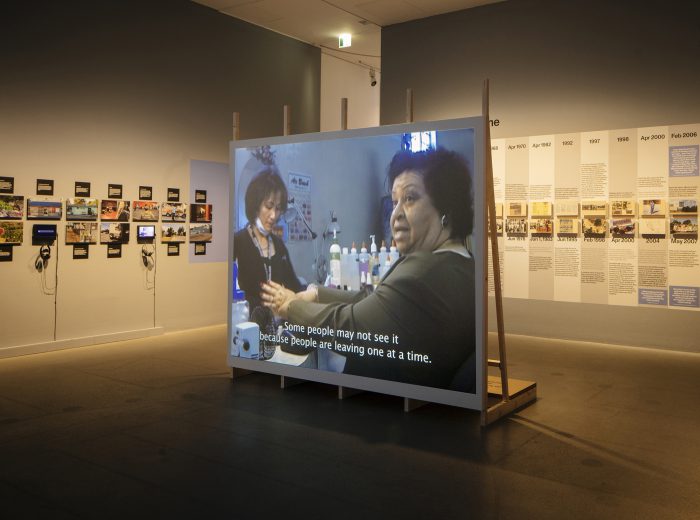
Exhibition The Gift. Stories of Generosity and Violence in Architecture
Research project Asutsuare Rebound
Research project Spaces of Global Socialism and their Afterlives
Exhibition Accra Futurism
Exhibition Postmodernism Is Almost All Right
Exhibition PRL™: Export Architecture and Urbanism from Socialist Poland
Exhibition Intersections
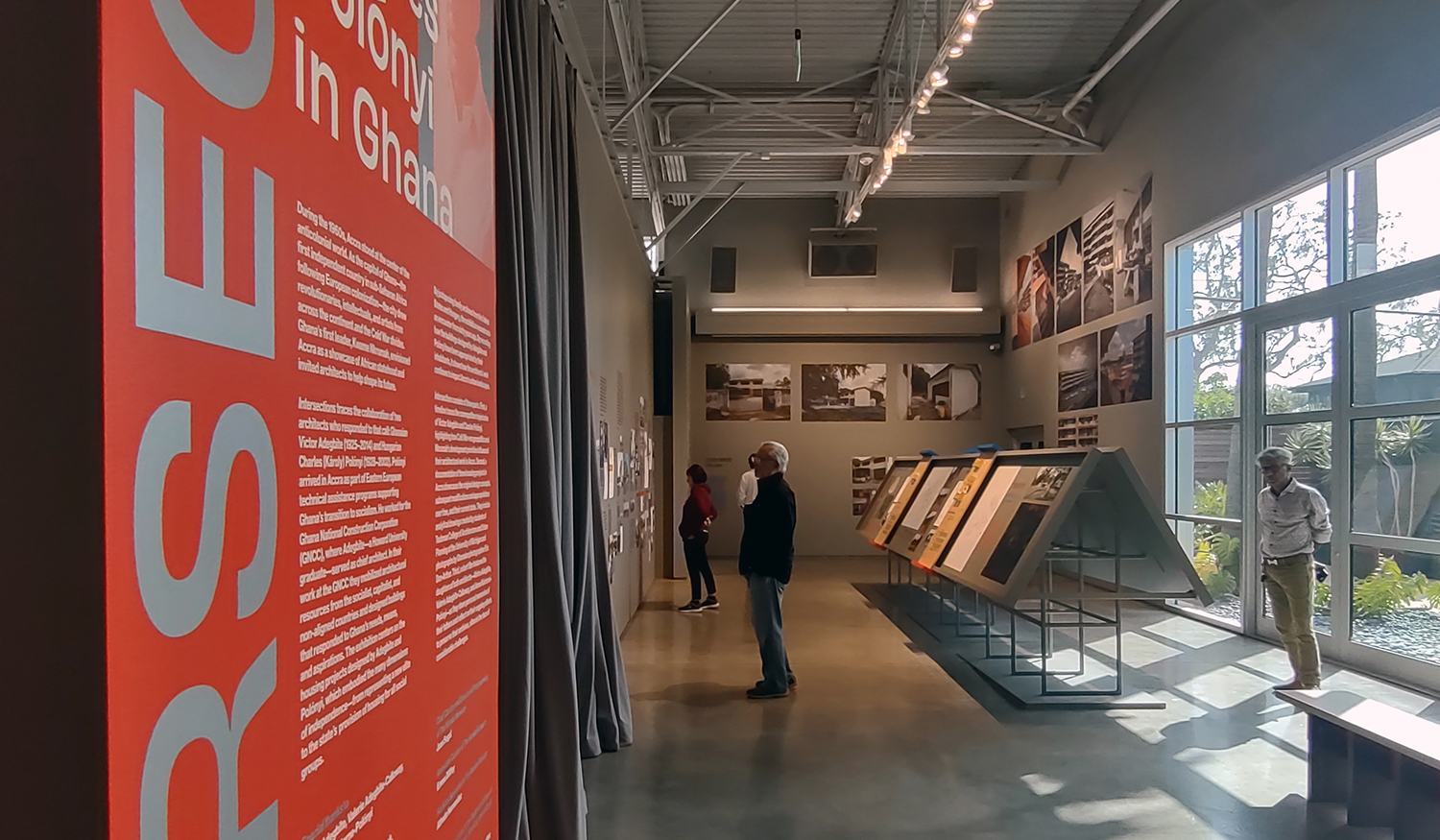
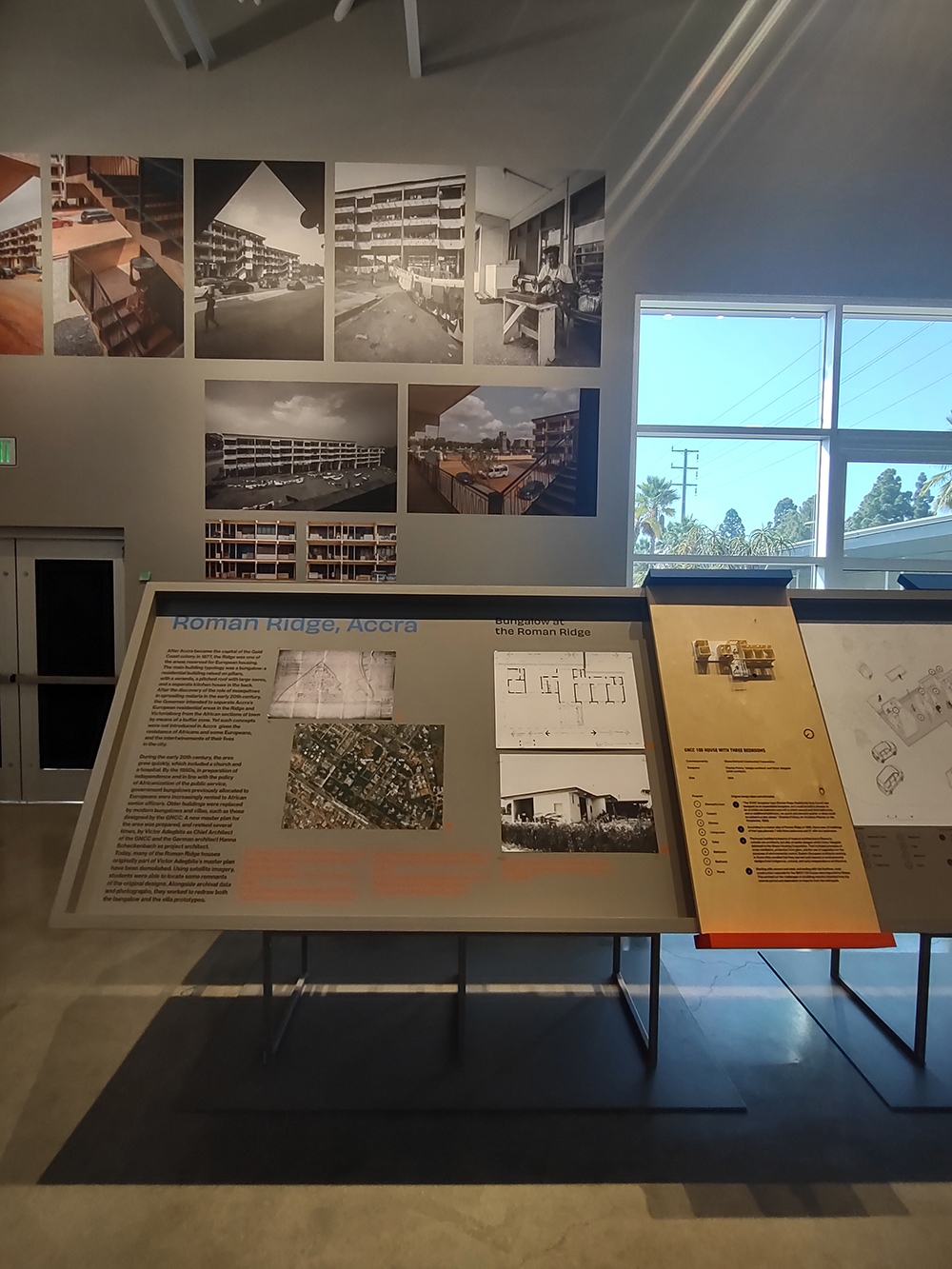
Intersections: The Architecture of Victor Adegbite and Charles Polónyi in Ghana
The Wende Museum, Los Angeles, USA
November 8, 2025–April 12, 2026
Curator: Michael Gameli Dziwornu and Łukasz Stanek, in collaboration with Dana Salama
During the 1960s, Accra stood at the center of the anticolonial world. As the capital of Ghana— the first independent country in sub-Saharan Africa following European colonization—the city drew revolutionaries, intellectuals, and artists from across the continent and the Cold War divides. Ghana’s first leader, Kwame Nkrumah, envisioned Accra as a showcase of African statehood and invited architects to help shape its future.
Intersections traces the collaboration of two architects who responded to that call: Ghanaian Victor Adegbite (1925–2014) and Hungarian Charles Polónyi (1928–2002). Polónyi arrived in Accra as part of Eastern European technical assistance programs supporting Ghana’s transition to socialism. He worked for the Ghana National Construction Corporation (GNCC), where Adegbite—a Howard University graduate—served as chief architect. In their work at the GNCC they mobilized architectural resources from the socialist, capitalist, and non-aligned countries and designed buildings that responded to Ghana’s needs, means, and aspirations.
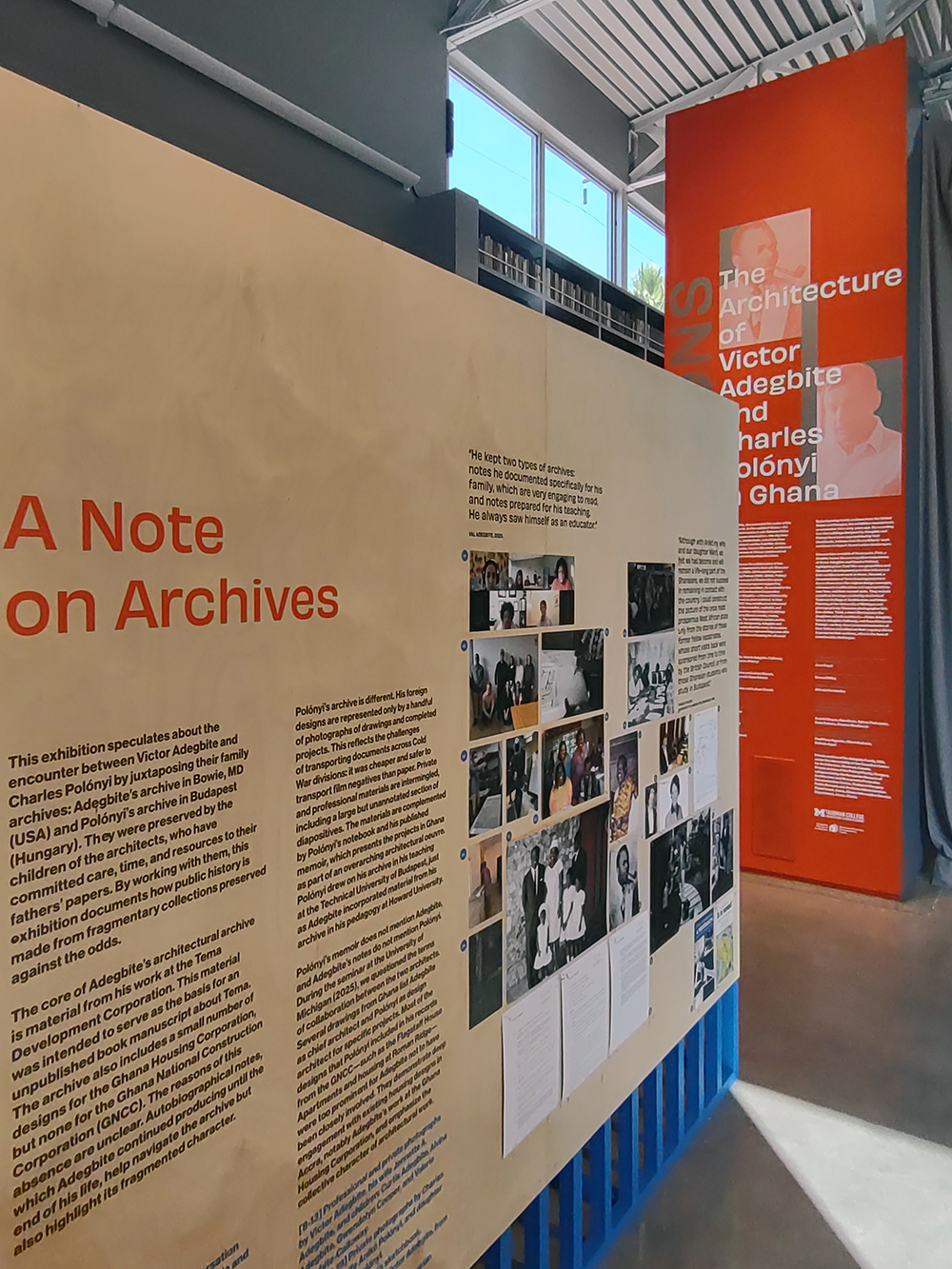
The exhibition centers on the housing projects designed by Adegbite and Polónyi, which embodied the many dimensions of independence, from representing a new elite to the state’s provision of housing for all social groups. By juxtaposing family archives from the United States and Hungary, preserved by the architects’ daughters, the exhibition both reconstructs and reenacts an encounter from sixty years ago. By recording how the buildings designed by Adegbite and Polónyi have been appropriated by their inhabitants, it shows how the architects’ work continues to impact Accra’s urban landscapes.
Contemporary photographs: Eric Don-Arthur
Design: Dana Salama
Special thanks to: Alvina Adegbite, Valerie Adegbite-Calloway, Anna Kántorné-Polónyi

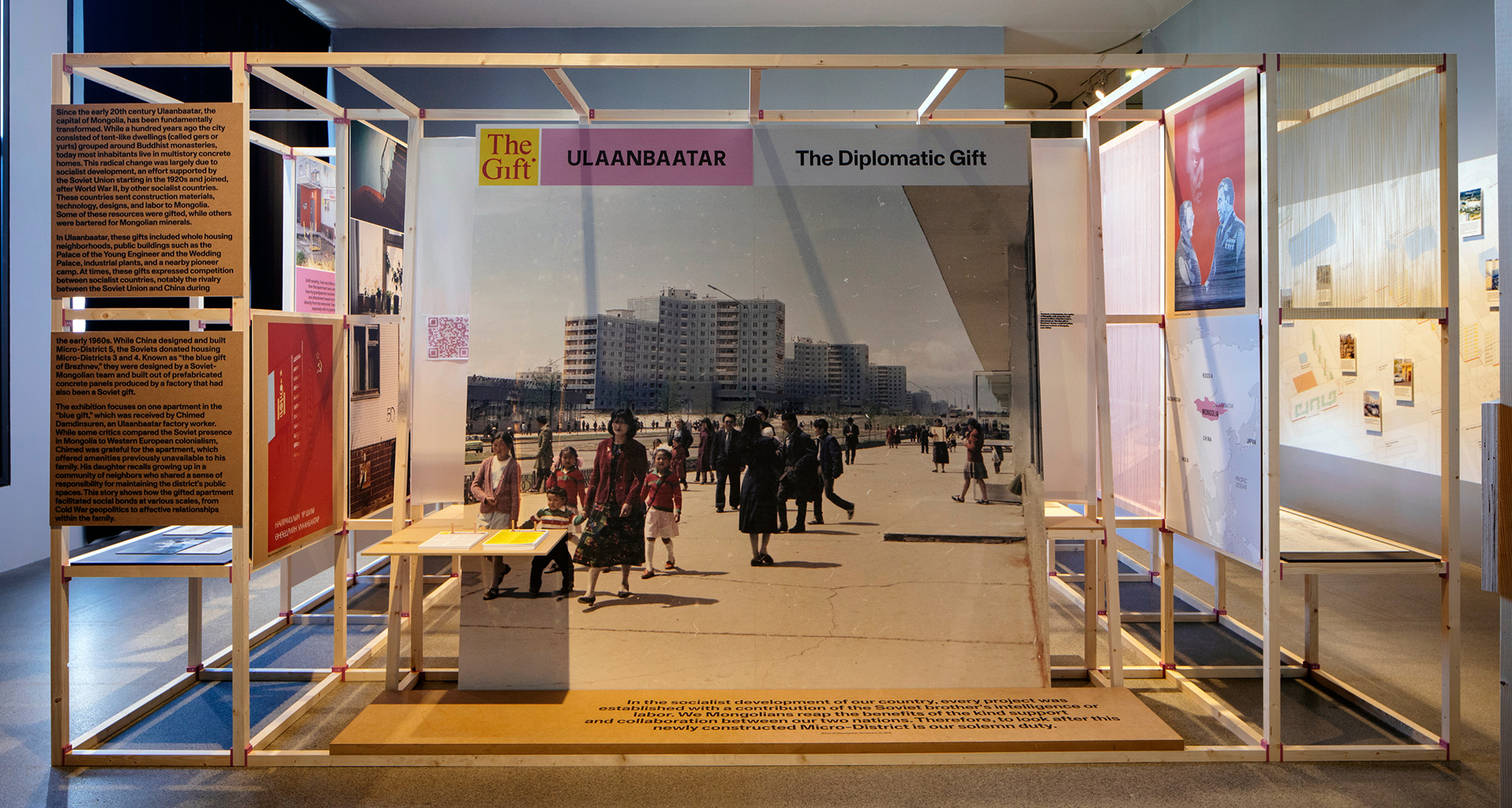
The Gift. Stories of Generosity and Violence in Architecture
Exhibition by the Architekturmuseum der TUM in the Pinakothek der Moderne, Munich, Germany.
Curators: Łukasz Stanek, Damjan Kokalevski
February 29, 2024 – September 8, 2024
Achitectural gifts are everywhere: libraries funded by wealthy philanthropists, shelters donated by humanitarian organizations, farms paid for with development grants, mosques financed by Islamic foundations, and stadiums handed over as part of diplomatic charm offensives. Embedded in religious and imperial traditions of gift-giving, architectural gifts shape the urbanization process across the world. Humanitarian, developmentalist, and diplomatic building-gifts have become ubiquitous in rapidly expanding African, Asian, and South American metropolises and their hinterlands. In North American and European cities, philanthrocapitalists invest in cultural, social, and educational facilities passed down by the dwindling welfare state.
This exhibition features gifted buildings—from spectacular to mundane, from extravagant to genuinely useful—that show how the unequal relationship between the giver and the receiver results in both generosity and violence exerted by and through architecture. What are the benefits of an architectural gift and how may it cause harm? We document how the giving and receiving of architecture impacts the production of these buildings, including their program, design, and materiality, as well as labor relations on the construction site. We consider the economic gains and political influence of the donors. We explore whether architectural gifts require reciprocity, and if so, what constitutes a counter-gift. We wonder if the obligations of the receiver and the giver persist after a building’s completion. What is the afterlife of a gifted building, and how is it perceived, maintained, and used by local communities?
Working with local researchers and communities, and using storytelling as a method, we present case studies on four continents to explore the generosity and violence of the gift-giving dynamic. These include stories of humanitarian gifts for Skopje, North Macedonia; the gift of land in Kumasi, Ghana; diplomatic gifts for Ulaanbaatar, Mongolia; and philanthropic gifts in East Palo Alto, California, USA. At the end of the exhibition, we turn to Germany, showing how philanthropy continues to shape Munich and other German cities today.

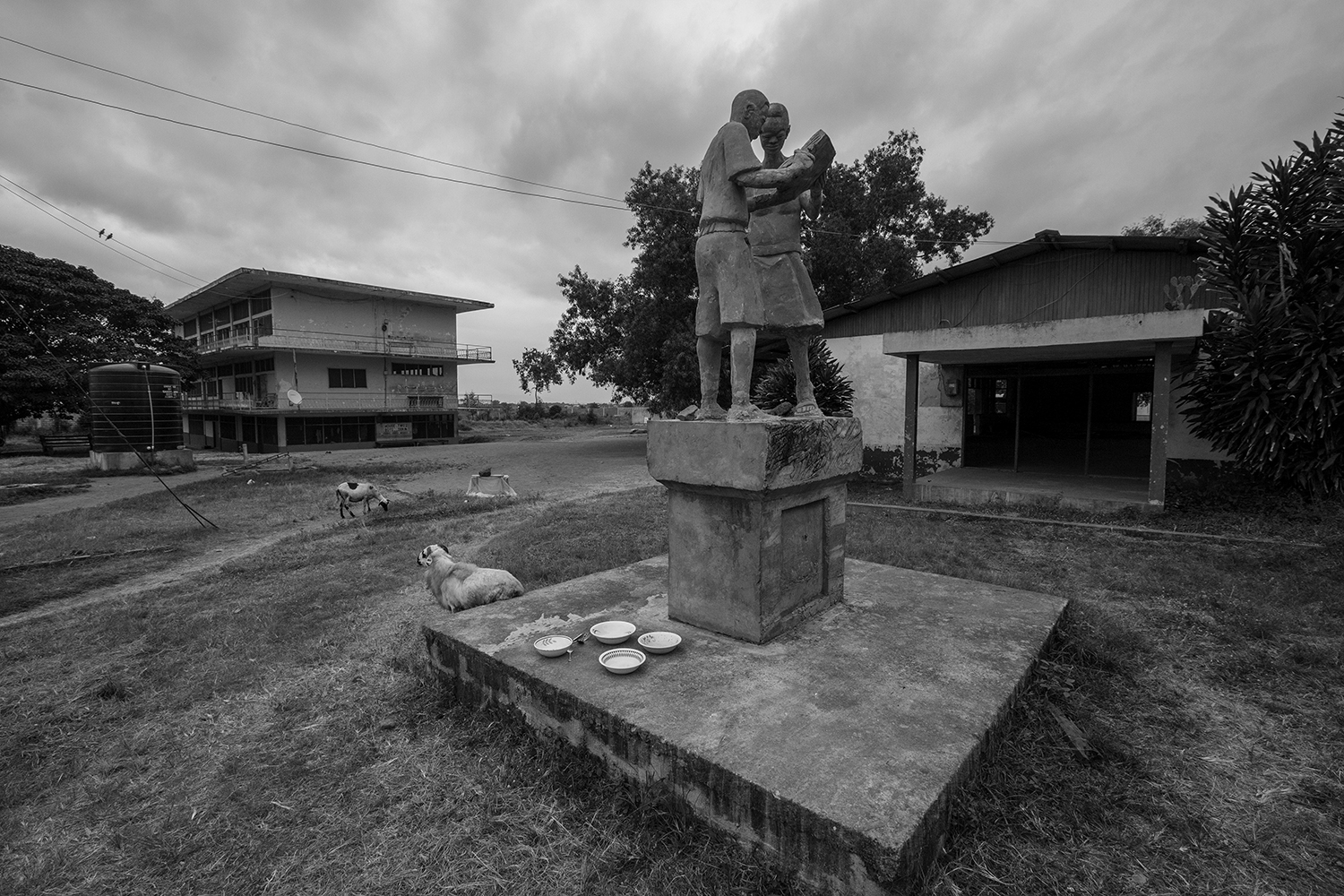
Asutsuare Rebound
Contribution to the Rotterdam Biennale of Architecture, Netherlands
22 September – 13 November, 2022
Michael Gameli Dziwornu and Łukasz Stanek
Photography by Eric Don-Arthur
After Ghana’s independence in 1957, the village of Asutsuare became the focus of state-led, socialist-inspired agricultural and industrial development. A sugar factory was built, along with a residential area, a sugarcane plantation, and an irrigation system. Twenty years after its closure in the 1980s, the plant was bought by Chinese investors. Today, it manufactures paper and plastic products, while the sugar cane plantation was repurposed for the farming of rice, bananas, and fish.
Asutsuare Rebound, first presented at the Rotterdam Biennale of Architecture (2022), studies the reuse, reappropriation, and revalorisation of modernist planning in Asutsuare. We have interviewed retired employees of the sugar factory and younger inhabitants who explained to us how the material infrastructure and memories of the plant are a resource for imagining and producing a collective future.
By juxtaposing their voices with images by photographer Eric Don-Arthur, this project revisits the ambiguous impact of long-term planning on the landscapes of Asutsuare, including water management, agriculture, and social infrastructure. We understand these ambiguities not as evidence of failure, but as an invitation to rethink the future beyond both modernist techno-utopias and neoliberal short-termism.
All photographs by Eric Don-Arthur


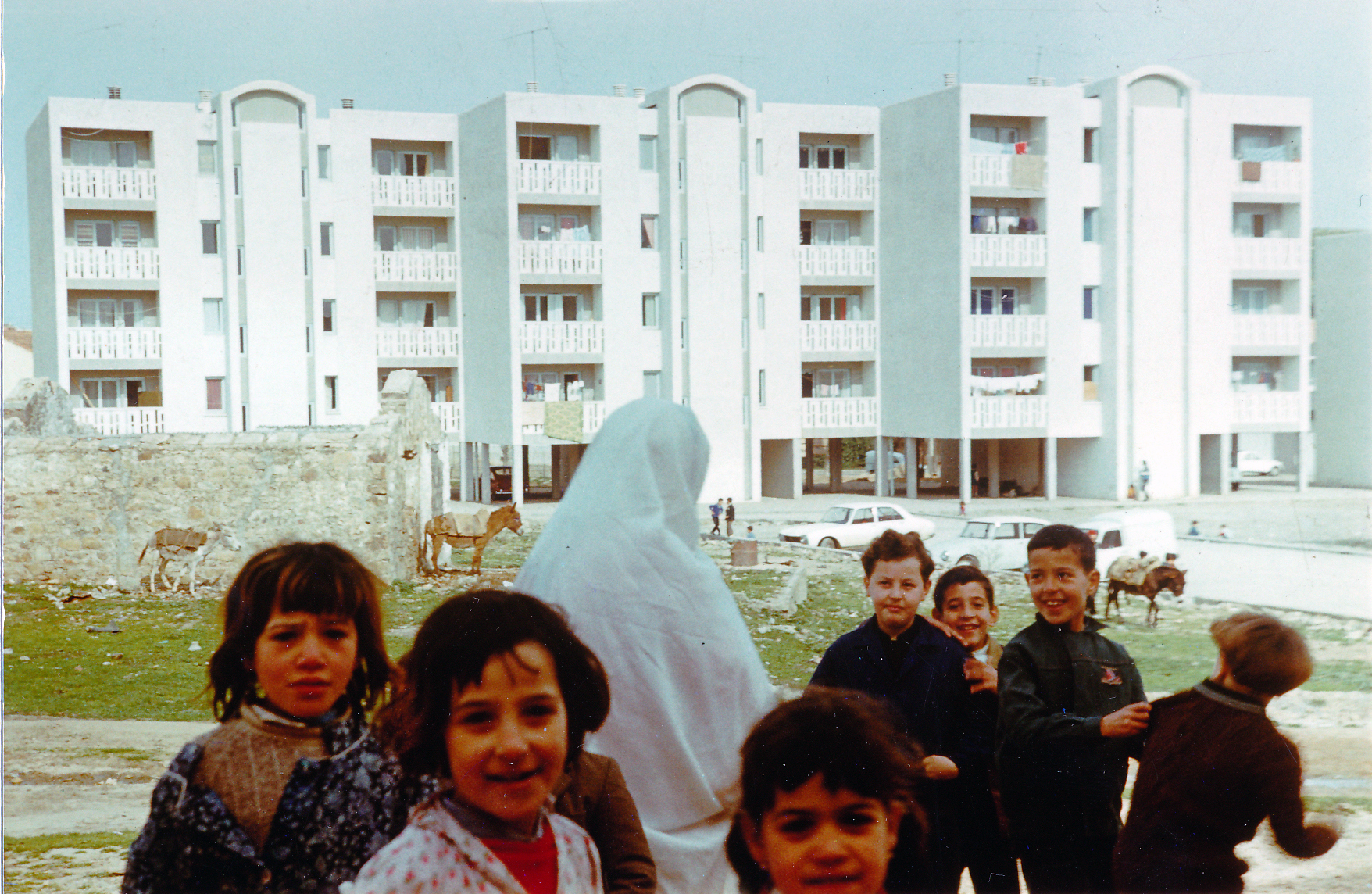
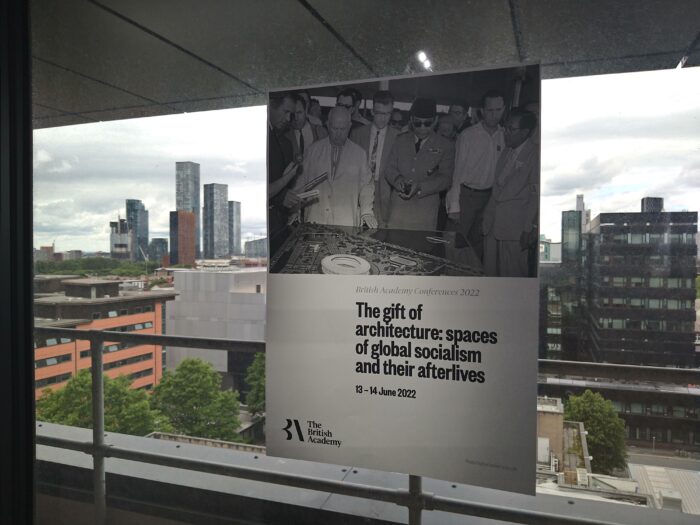
The Gift: Spaces of Global Socialism and their Afterlives
Resarch project on architectural gift-giving in global socialism.
During the Cold War, the gifting of architecture was among the most visible manifestations of global socialism, or the multiple, evolving, and often contradictory exchanges between the socialist countries and the decolonizing world. In collaboration with local actors, Soviet, Eastern European, and Chinese institutions designed, constructed, and equipped hundreds of buildings for education, health, culture, industry, and habitation in Ethiopia, Guinea, Indonesia, Kenya, Mali, Mongolia, Tanzania, Vietnam, and elsewhere.
This project is developed by means of conferences and workshops, starting with the British Academy Conference at the University of Manchester, UK (June 13-14, 2022). It gathered architectural historians and anthropologists who discussed the ways in which the dynamics of gift-giving impacted the design, construction, and the afterlives of these buildings. Scholars debated whether the generosity and violence specific for gift-giving, the principle of reciprocity, and the changing geopolitics and foreign trade in the Cold War facilitated the production and everyday uses of gifted buildings. By focusing on their continuous appropriation by inhabitants and users in Africa and Asia, this conference and the forthcoming publication offer a more differentiated genealogy of global urbanisation and its architecture.
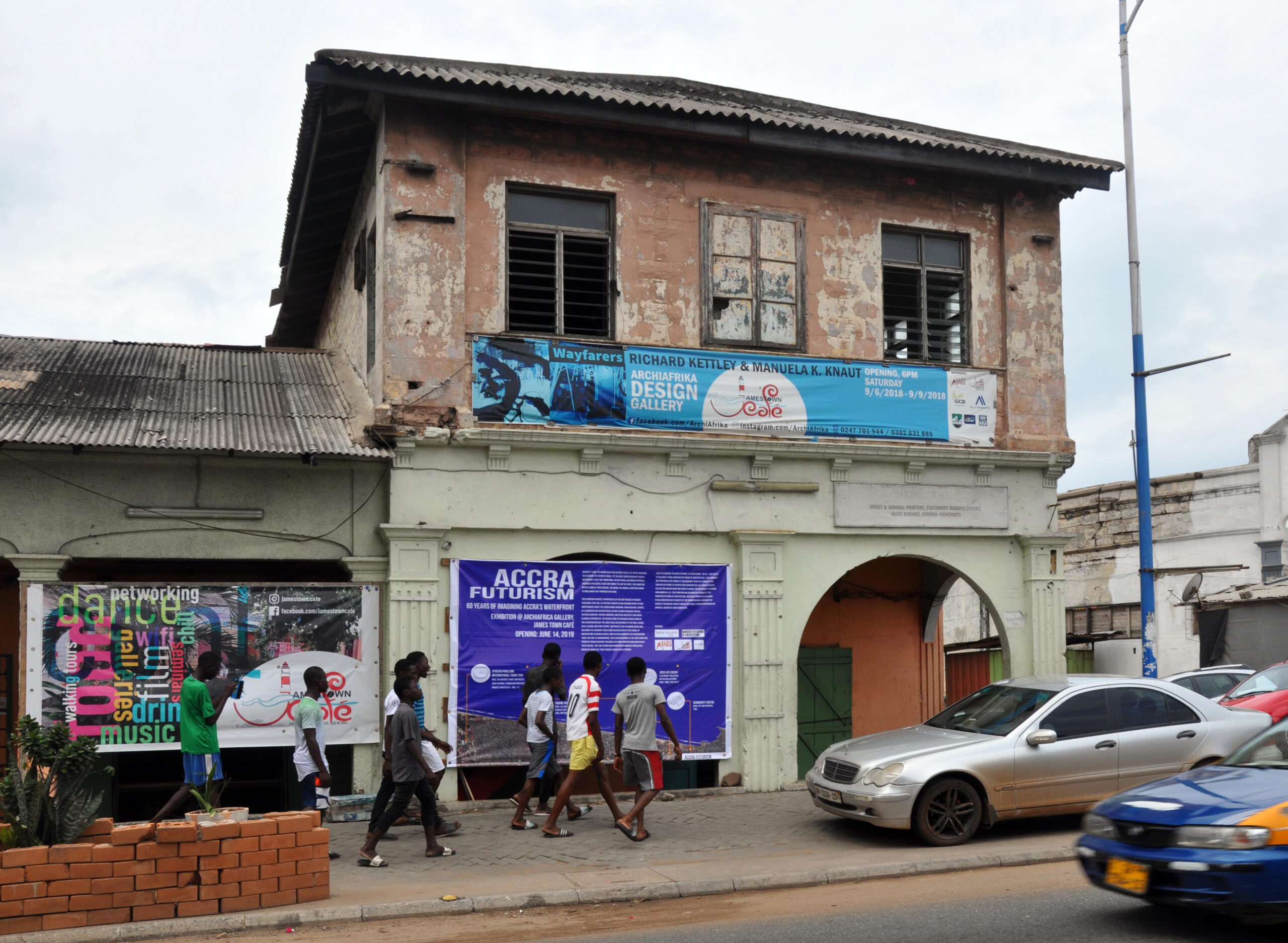
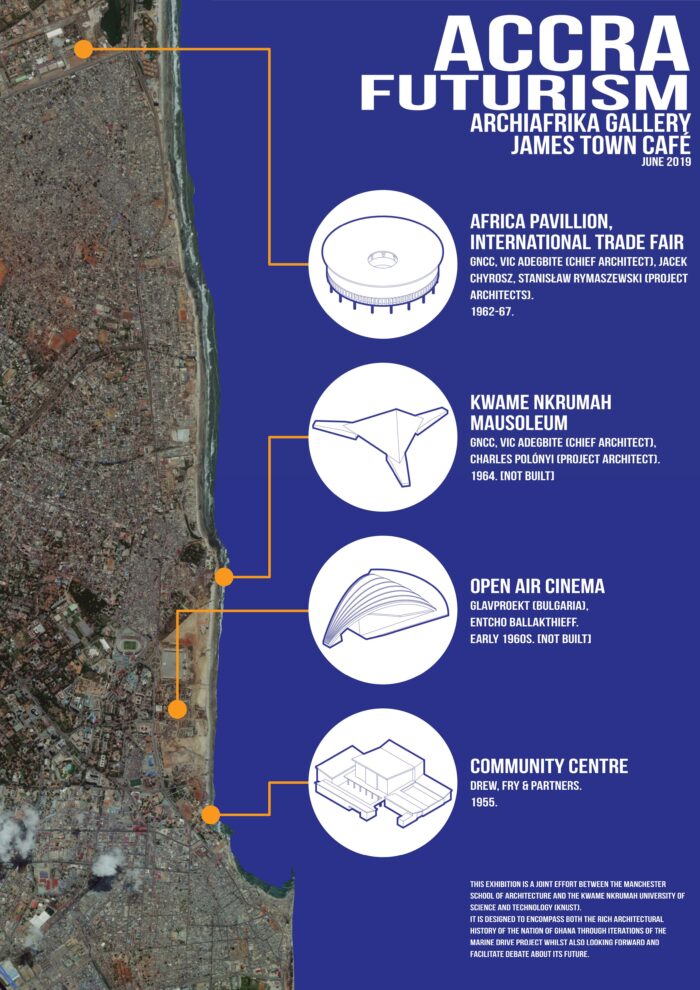
Accra Futurism. 60 Year of Imagining Accra’s Waterfront
Exhibition, ArchiAfrica Gallery, James Town, Accra, Ghana
June 2019
Curator: Łukasz Stanek
A collaboration between the University of Manchester and the Kwame Nkrumah University of Technology in Kumasi.
In recent years, the Marine Drive in Accra, Ghana, has become a focal site for re-imagining the future of Ghana’s capital city. Yet the most recent design of Accra’s waterfront is only one among many architectural and urban proposals envisaged for this area during the last 60 years. This exhibition revisits some of these designs, and shows the various, competing urban futures which they proposed for Accra.
This exhibition focuses, in particular, on the first decade of Ghana’s statehood (1957-66). As the first country in sub-Saharan Africa to gain independence under the leader Kwame Nkrumah, Ghana became a centre of a cosmopolitan architectural culture to which Ghanaian, British, Eastern European, African-American, and other architects and urban planners contributed. The designs from the Nkrumah period shown in the exhibition include the large-scale development of the Korle-Bu Lagoon into a leisure and sport centre; three competing projects for the Marine Drive area; the visionary Accra 2000 design developed at the School of Architecture in Kumasi (KNUST); a monumental mausoleum for Kwame Nkrumah at the Osu Castle; and the development of Labadi around the International Trade Fair. This exhibition brings to the fore specific visions of urban everyday for Accra that were proposed and conveyed by these designs. They are analyzed by means of a GIS-based database of archival planning documents for Accra since the late colonial period.
Based on archival research in Ghana, Eastern Europe, the UK, and the US, this exhibition was prepared in the course of two seminars taught by Łukasz Stanek at the Manchester School of Architecture (Manchester, UK) and the Taubman College for Architecture and Urban Planning, the University of Michigan (Ann Arbor MI, USA). The exhibition was designed by students of the Manchester School of Architecture, advised by Ola Uduku, in collaboration with students of the University of Ghana at Legon and Central University (Ghana). Additional advise was provided by Irene Addo (University of Ghana at Legon).

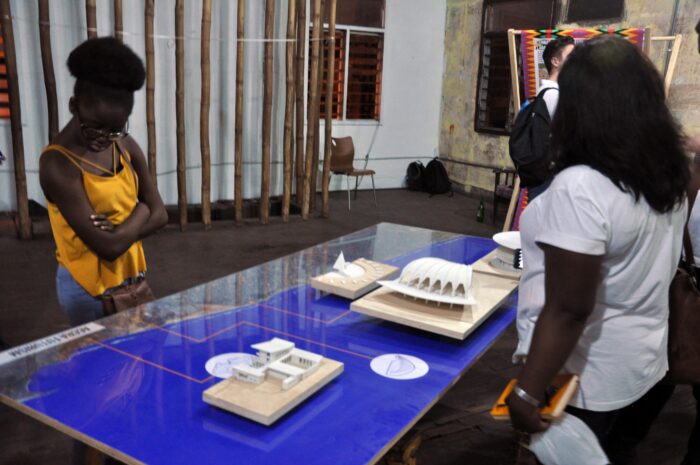

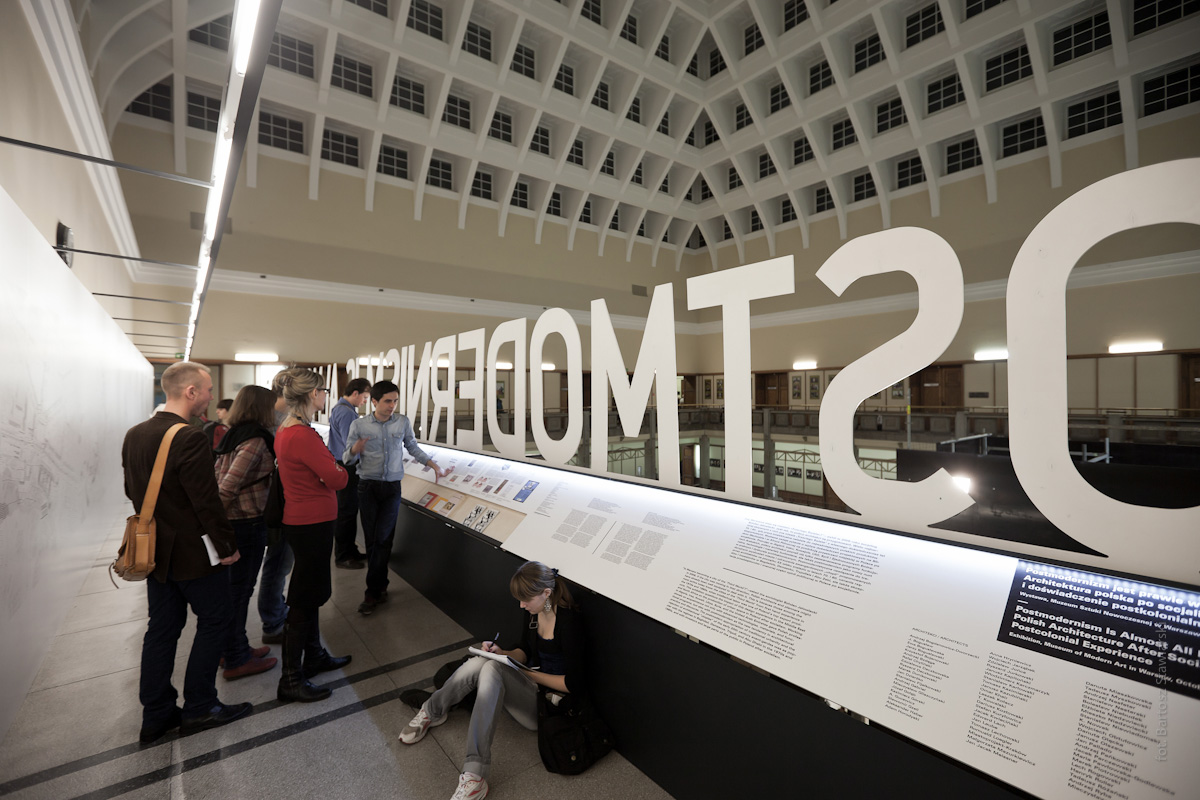
Postmodernism Is Almost All Right
Exhibition at the Museum of Modern Art in Warsaw, Poland, and contribution to the Venice Biennale of Architecture, Italy
1 – 30 October 2011 (Warsaw)
22 May – 21 November 2021 (Venice)
Curators: Piotr Bujas, Łukasz Stanek
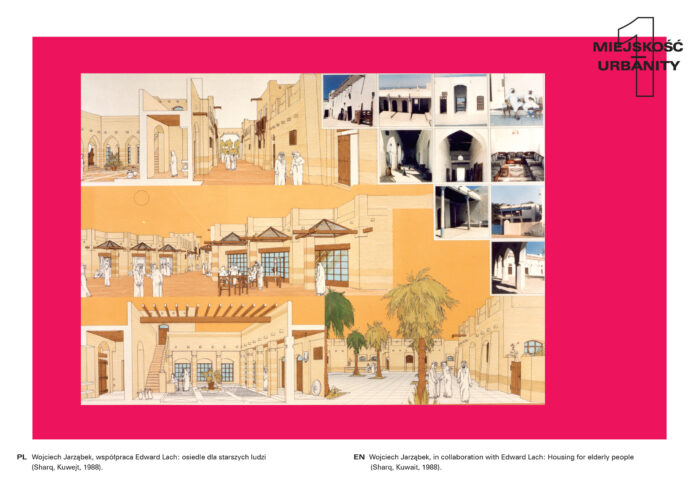
This exhibition revisits the work of Polish architects in oil-producing countries in North Africa and the Middle East during the last two decades of the Cold War, and questions the impact of this generational experience on the production of urban space in Poland after socialism. Working in Algeria, Iraq, Kuwait, Libya, Syria, and the United Arab Emirates gave Polish professionals an acquaintance not only with advanced technologies, materials, and functional programs, but also with postmodernism as the new mainstream in architectural practice and discourse. The postmodern appropriation of traditional urbanity and the rejection of architectural “utopias” of the early 20th century avant-gardes was as popular with the regimes in Baghdad, Damascus, Tripoli, and Abu Dhabi in the 1970s and 1980s, as with investors and large parts of the public in Poland after socialism.
Archival research and interviews: Piotr Bujas, Alicja Gzowska, Aleksandra Kędziorek, Łukasz Stanek
PRL™: Export Architecture and Urbanism from Socialist Poland
Museum of Modern Art in Warsaw / Museum of Technology, Warsaw, Poland
October 15–November 15, 2010
Curator: Łukasz Stanek
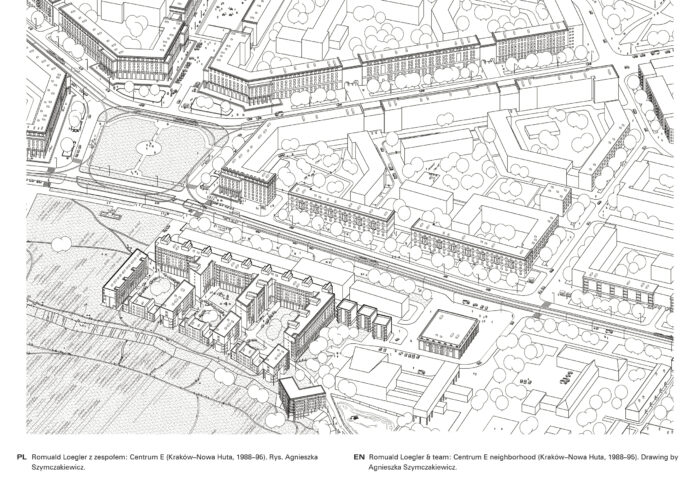
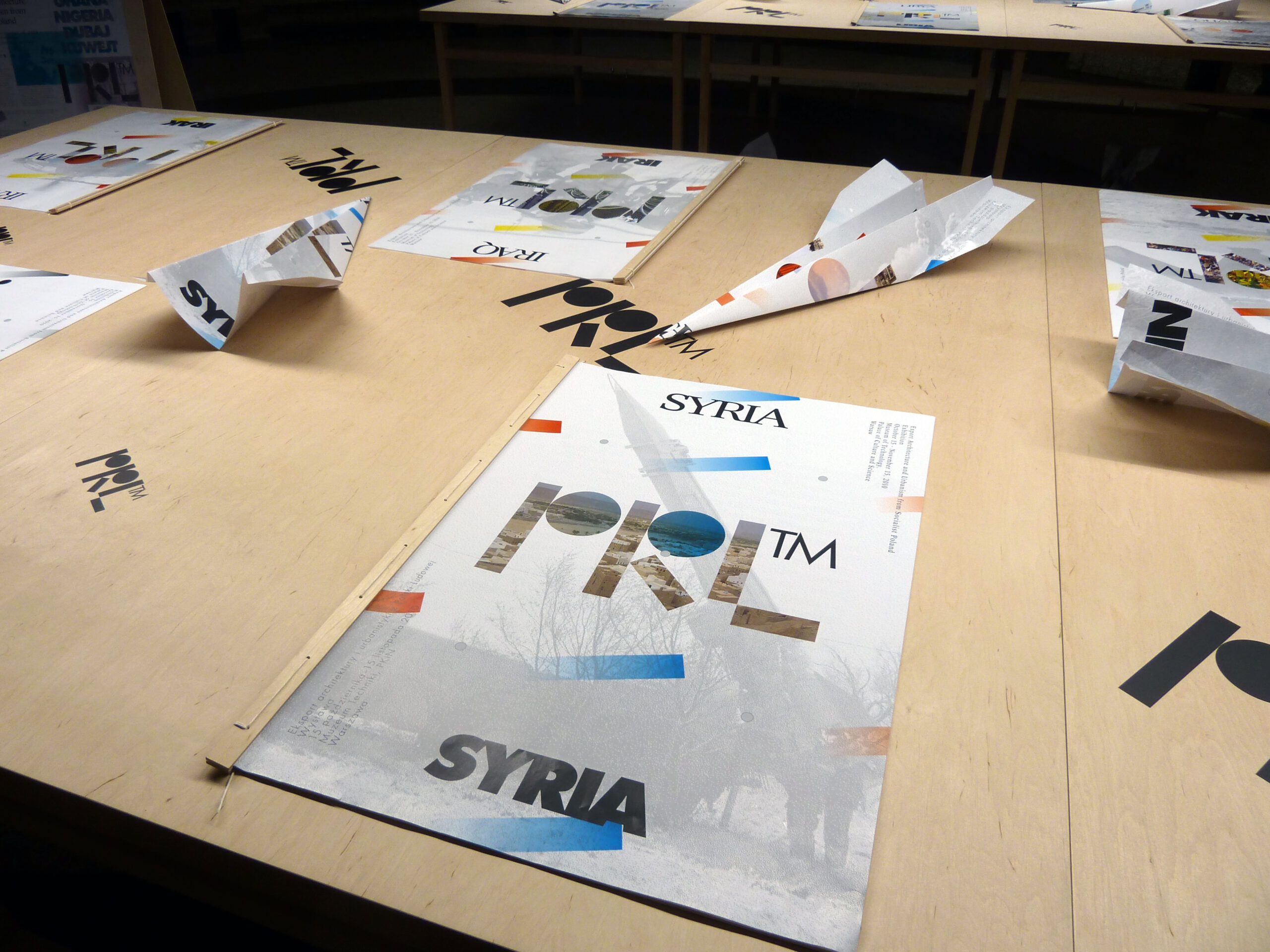
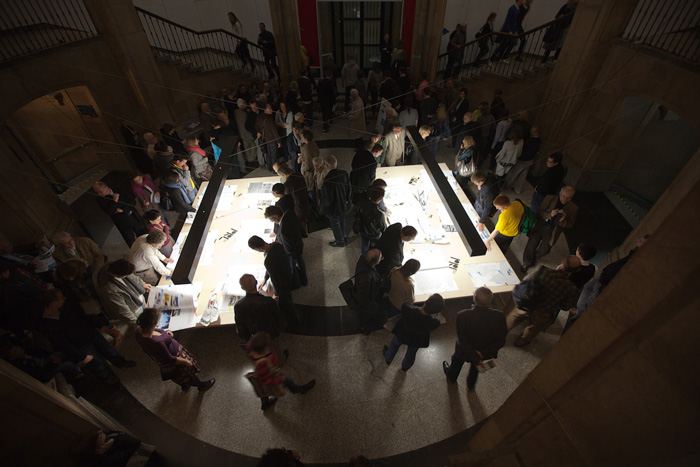
The People’s Republic of Poland (PRL) was a well-known brand on the global market of intellectual labor during the Cold War, particularly regarding the labor of architects, planners, and engineers, which was widely exported to the countries of the post-colonial South. This exhibition showcases the designs of Polish professionals sent by state agencies of foreign trade to Iraq, Syria, Libya, Algeria, Ghana, and Nigeria. The architects, planners, and engineers mobilized both the heritage of Polish inter-war architecture and the experience of large socialist building sites, such as the reconstruction of Warsaw and the construction of the socialist city of Nowa Huta, adapting them to local climatic, cultural, and technological conditions. The buildings, neighborhoods, urban and regional plans, as well as research projects shown in the exhibition, testify to the individual talent, knowledge, and engagement of particular designers and reveal the political economy of architectural labor in socialism. These sites became nodes in global networks of knowledge and technology distribution, which, at the end of the Cold War, reflected less an ideological conflict and more a new global division of labor specific to the post-socialist world.
Cooperation: Piotr Bujas, Tomasz Fudala, Alicja Gzowska
Design: Metahaven
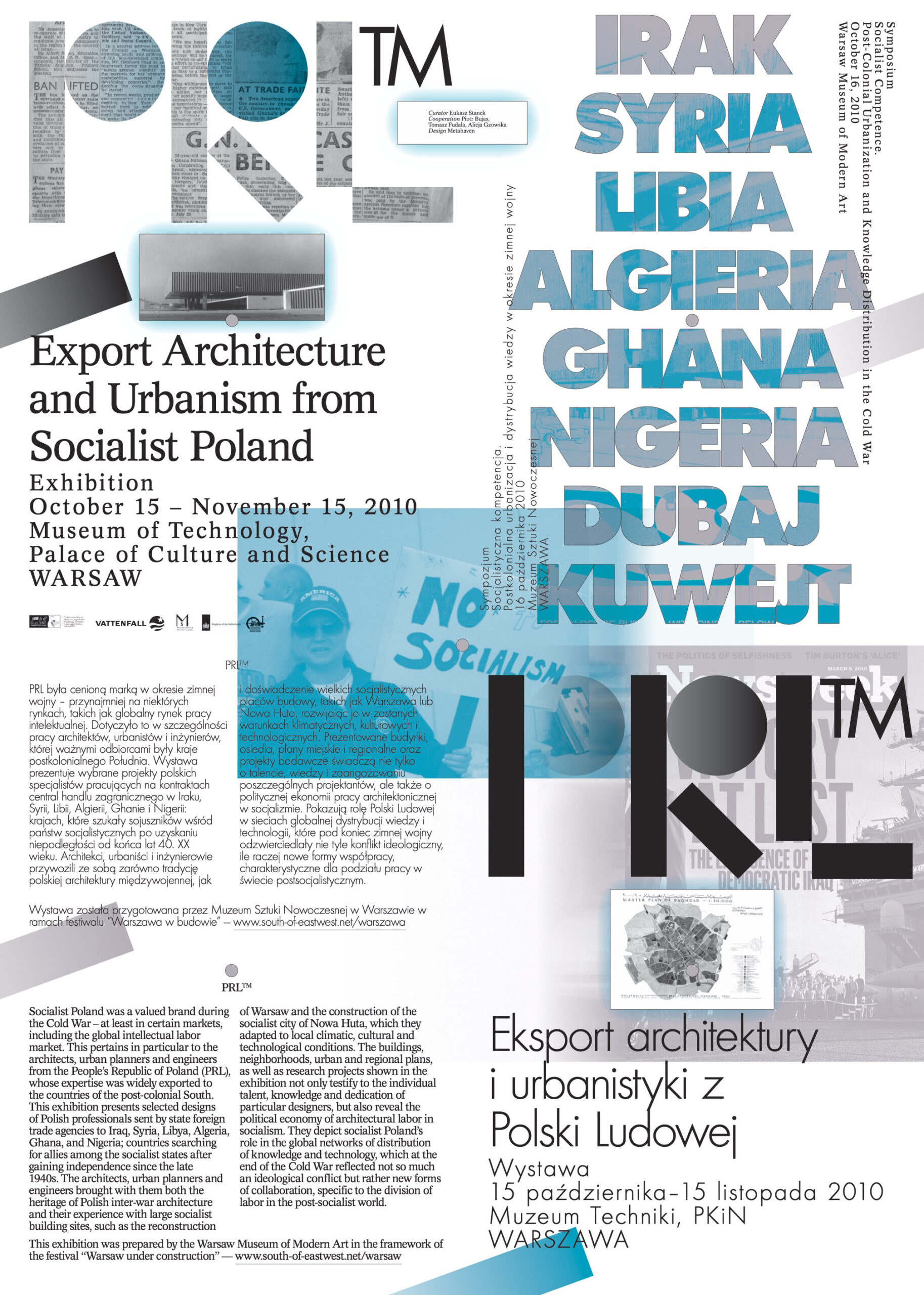
Architecture in Global Socialism: Eastern Europe, West Africa, and the Middle East in the Cold War (Princeton University Press, 2020)
Henri Lefebvre on Space. Architecture, Urban Research, and the Production of Theory (University of Minnesota Press, 2011)
Toward an Architecture of Enjoyment by Henri Lefebvre (University of Minnesota Press, 2011)
Team 10 East. Revisionist Architecture in Real Existing Modernism (Museum of Modern Art in Warsaw/ University of Chicago Press, 2014)
Postmodernism Is Almost All Right. Polish Architecture after Socialist Globalization (Warsaw: Fundacja Bęc-Zmiana, 2012)
Urban Revolution Now. Henri Lefebvre in Social Research and Architecture (Ashgate/ Routledge, 2014)
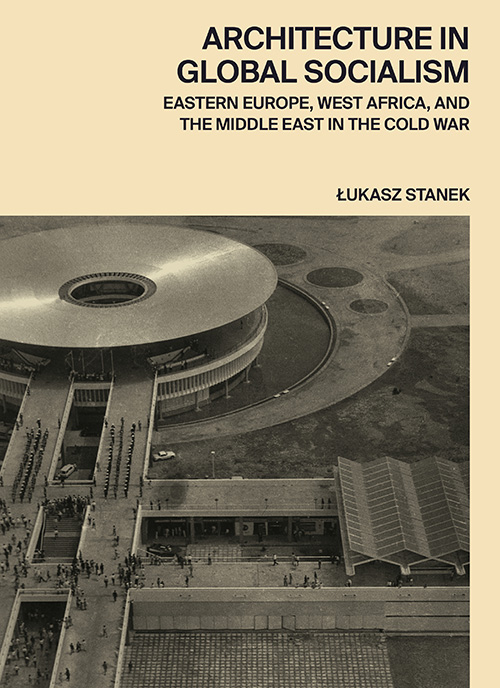
Architecture in Global Socialism: Eastern Europe, West Africa, and the Middle East in the Cold War
Princeton University Press, 2020
In the course of the Cold War, architects, planners, and construction companies from socialist Eastern Europe engaged in a vibrant collaboration with those in West Africa and the Middle East in order to bring modernization to the developing world.
Architecture in Global Socialism shows how their collaboration reshaped five cities in the Global South: Accra, Lagos, Baghdad, Abu Dhabi, and Kuwait City. The book describes how local authorities and professionals in these cities drew on Soviet prefabrication systems, Hungarian and Polish planning methods, Yugoslav and Bulgarian construction materials, Romanian and East German standard designs, and manual laborers from across Eastern Europe. It explores how the socialist development path was adapted to tropical conditions in Ghana in the 1960s, and how Eastern European architectural traditions were given new life in 1970s Nigeria. It looks at how the differences between socialist foreign trade and the emerging global construction market were exploited in the Middle East in the closing decades of the Cold War. The book demonstrates how these and other practices of global cooperation by socialist countries—or socialist worldmaking—left their enduring mark on urban landscapes in the postcolonial world.
Featuring an extensive collection of previously unpublished images, Architecture in Global Socialism draws on original archival research on four continents and a wealth of in-depth interviews. It presents a new understanding of global urbanization and its architecture through the lens of socialist internationalism, challenging long-held notions about modernization and development in the Global South.
Praise:
“Architecture in Global Socialism is a major contribution. This is a brilliantly original book that fundamentally recasts our understanding of architecture in a worldwide frame. It will become a canonical reference point for scholars and students of postwar global architecture.”—Neil Brenner, professor of urban theory, Harvard University
“An indispensable resource for scholars that goes beyond architecture and urban planning to engage with broader historical and political issues.”—Jean-Louis Cohen, author of Architecture in Uniform and The Future of Architecture Since 1889

Henri Lefebvre on Space. Architecture, Urban Research, and the Production of Theory
University of Minnesota Press, 2011
This book offers a uniquely contextual appreciation of Henri Lefebvre’s idea that space is a social product. It explicitly confronts both the philosophical and the empirical foundations of Lefebvre’s oeuvre, especially his direct involvement in the fields of urban development, planning, and architecture.
Countering the prevailing view, which reduces Lefebvre’s theory of space to a projection of his philosophical positions, this book argues that Lefebvre’s work grew out of his empirical research on everyday practices of dwelling in postwar France and his exchanges with architects and planners. The book focuses on the interaction between architecture, urbanism, sociology, and philosophy that occurred in France in the 1960s and 1970s, marked by a shift in the processes of urbanization at all scales, from the neighborhood to the global level. Lefebvre’s thinking was central to this encounter, which informed both his theory of space and the concept of urbanization becoming worldwide.
The book offers a deeper and clearer understanding of Lefebvre’s thought and its implications for the present day. At a time when cities are increasingly important to our political, spatial, and architectural world, this reassessment proposes a new empirical and practical, interpretation of Lefebvre’s ideas on urbanism.
Praise:
“Henri Lefebvre’s diverse contributions to sociospatial and urban theory have inspired considerable commentary in recent years. Łukasz Stanek’s brilliant, erudite book takes the discussion to a new level of philosophical sophistication while also grounding Lefebvre’s work in relation to a series of concrete engagements with architecture and urbanism in postwar France. This is a pathbreaking work, indispensable for anyone concerned to understand Lefebvre’s powerful contemporary resonance as an urban thinker.” —Neil Brenner, University of Chicago
“This book is a strong and important reassessment of the theories and writings of Lefebvre. As cities are becoming more and more an essential part of our political, spatial, and architectural world, Lukasz Stanek launches a type of new generational take on Lefebvre, one that is both more contextual and more speculative.” —Mark Jarzombek, MIT
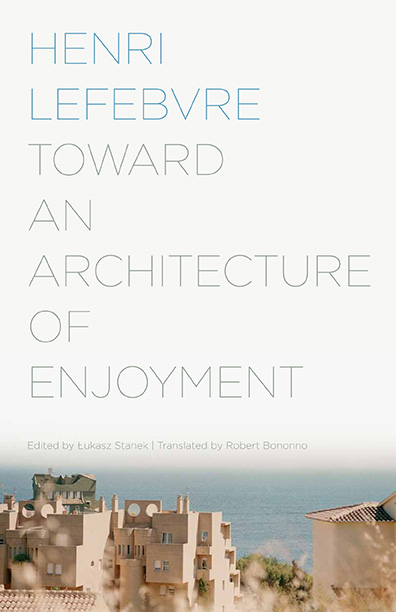
Toward an Architecture of Enjoyment
by Henri Lefebvre
University of Minnesota Press, 2014
Edited by Łukasz Stanek, translated by Robert Bononno
The relationship between bodily pleasure, space, and architecture—from one of the twentieth century’s most important urban theorists.
Praise:
“Stanek’s work has already taken scholarship on Henri Lefebvre’s concept of space to an unprecedented level of philosophical sophistication. With the discovery of this new text, Stanek escorts Lefebvre to the center of architecture theory since 1968. Lefebvre’s conceptual text and Stanek’s exquisite Introduction together enable the possibility of thinking not about architecture, but thinking architecturally about how we inhabit our world. Toward an Architecture of Enjoyment takes us toward a concept of the architectural imagination that is a powerful mediator between thought and action.”—K. Michael Hays, Harvard Graduate School of Design
“We finally have access to [Henri Lefebvre’s] most forceful meditation on the spatial utopia he aspired to. We owe the rescue and publication of this notable book to the perseverance and talent of Łukasz Stanek, who wrote the volume’s excellent and comprehensive introduction.”—Environment & Planning D: Society and Space
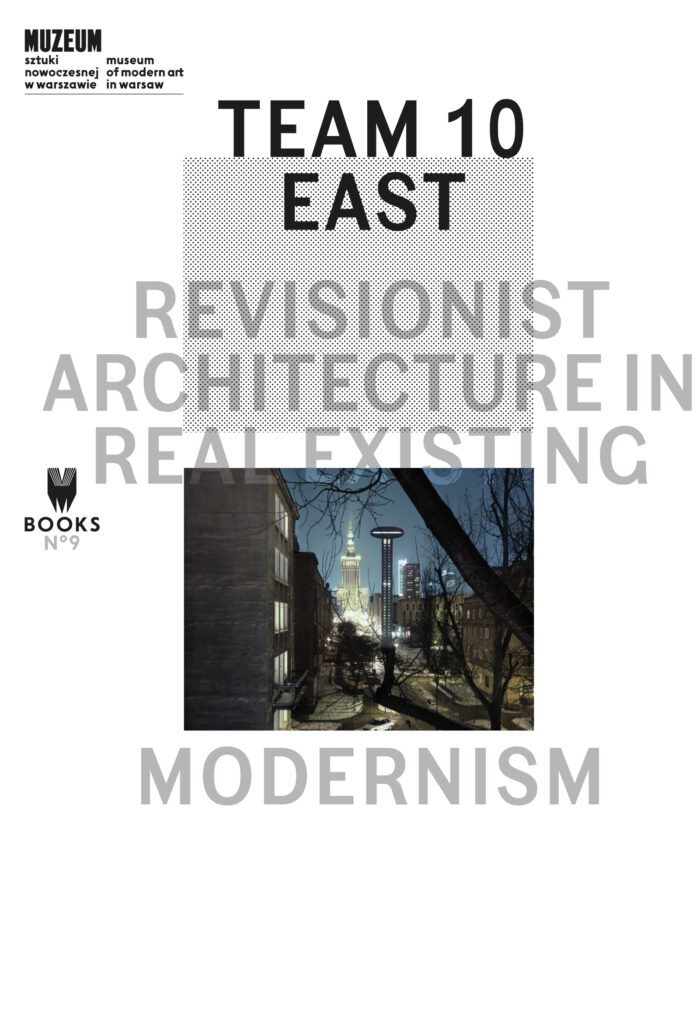
Team 10 East. Revisionist Architecture in Real Existing Modernism
Museum of Modern Art in Warsaw/ distributed by University of Chicago Press, 2014.
Edited by Łukasz Stanek
This volume coins the term “Team 10 East” as a conceptual tool to discuss the work of Team 10 members and fellow travelers from state-socialist countries—such as Oskar Hansen of Poland, Charles Polónyi of Hungary, and Radovan Nikšic of Yugoslavia. The book’s contributors approach these individuals from a comparative perspective on socialist modernism in Central and Eastern Europe and discuss the relationship between modernism and modernization across the Iron Curtain. Team 10 East addresses “revisionism” in state-socialist architecture and politics, showing how architects appropriated, critiqued, and developed postwar modernist architecture and functionalist urbanism both from within and beyond the confines of a Europe split by the Cold War.
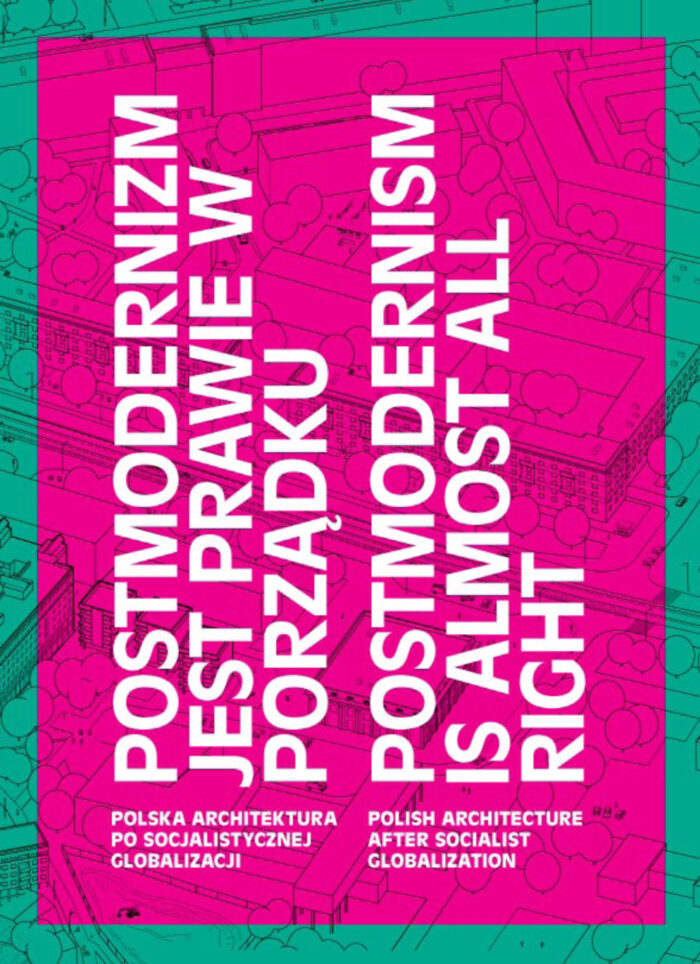
Postmodernism Is Almost All Right. Polish Architecture after Socialist Globalization
Warsaw: Fundacja Bęc-Zmiana, 2012
Text by Łukasz Stanek, archival research and interviews: Piotr Bujas, Alicja Gzowska, Aleksandra Kędziorek, Łukasz Stanek
This catalogue of the exhibition Postmodernism Is Almost All Right interrogates the generational experience of Polish architects in the Middle East and North Africa during the 1970s and 1980s, and the impact of this experience on the production of Polish cities after socialism.
Design: Jayme Yen
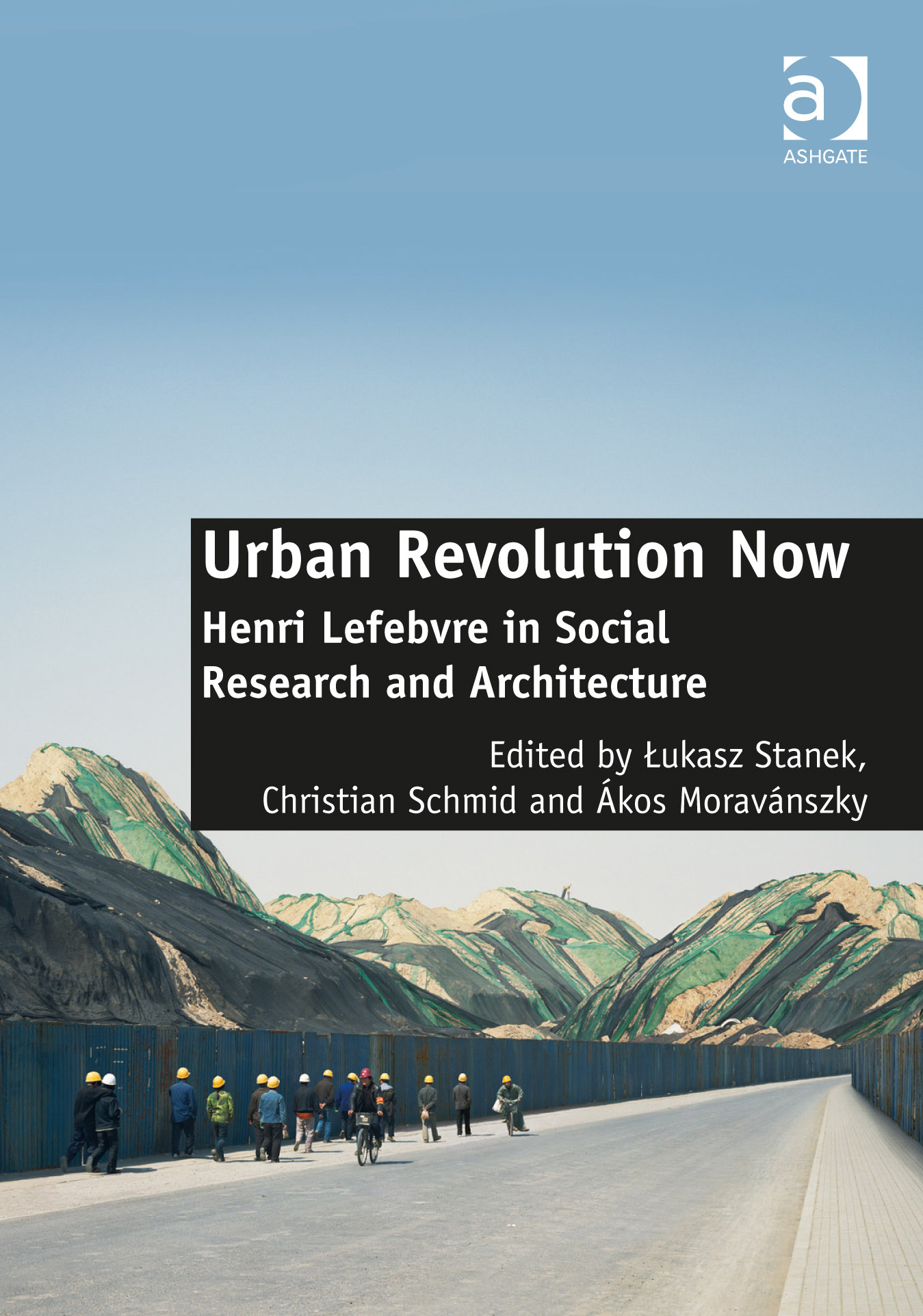
Urban Revolution Now. Henri Lefebvre in Social Research and Architecture
Ashgate/ Routledge, 2014
Edited by Łukasz Stanek, Christian Schmid, and Ákos Moravánszky
This edited volume reconsiders worldwide urbanization processes in the 20th century by means of concepts such as “urban revolution,” “everyday life,” “production of space,” “rhythmanalysis,” and the “right to the city.” It results from two conferences at Delft University of Technology (2008) and ETH Zurich (2009).
Southeast Lecture Series
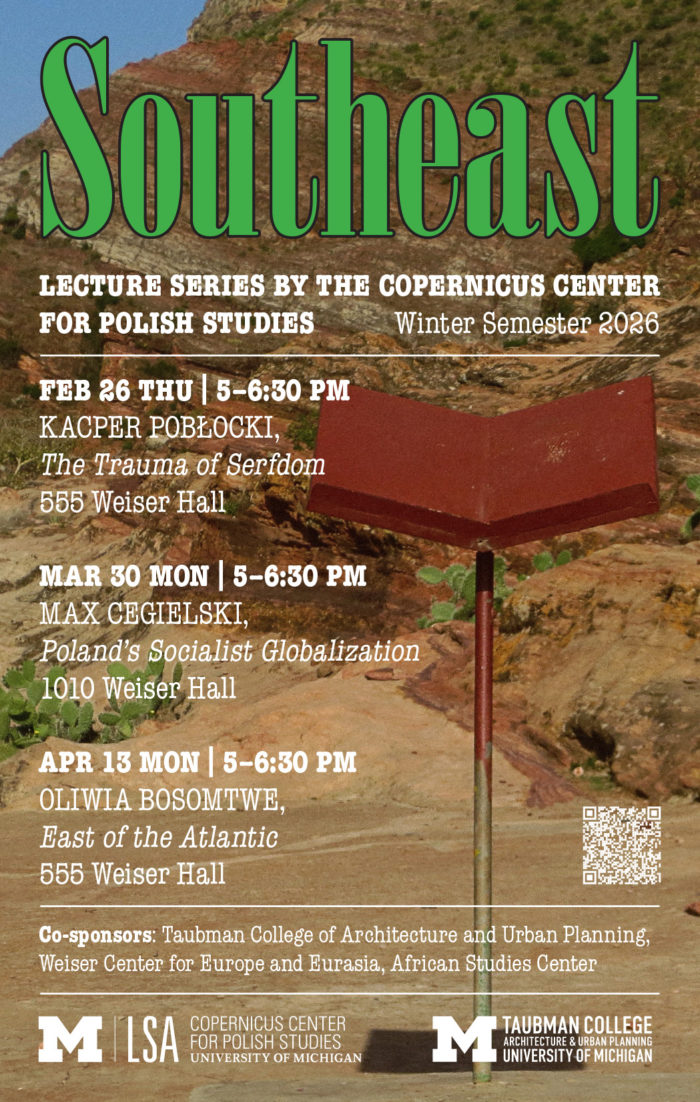
In the winter semester of 2026, in my role as Acting Director of the Copernicus Center for Polish Studies at the University of Michigan, I am convening the lecture series Southeast, which examines Poland’s encounters with Africa and Asia during the twentieth century and their lasting consequences. Speakers include the social scientist Kacper Pobłocki, who will discuss Poland’s ambiguous position in the history of European colonialism; the journalist, writer, and curator Max Cegielski, who will explore Poland’s “socialist globalization;” and the Polish-Ghanaian author Oliwia Bosomtwe, who explores the stories of Poles of African descent.
December 7, 2025
Intersections Exhibition Opens in Los Angeles
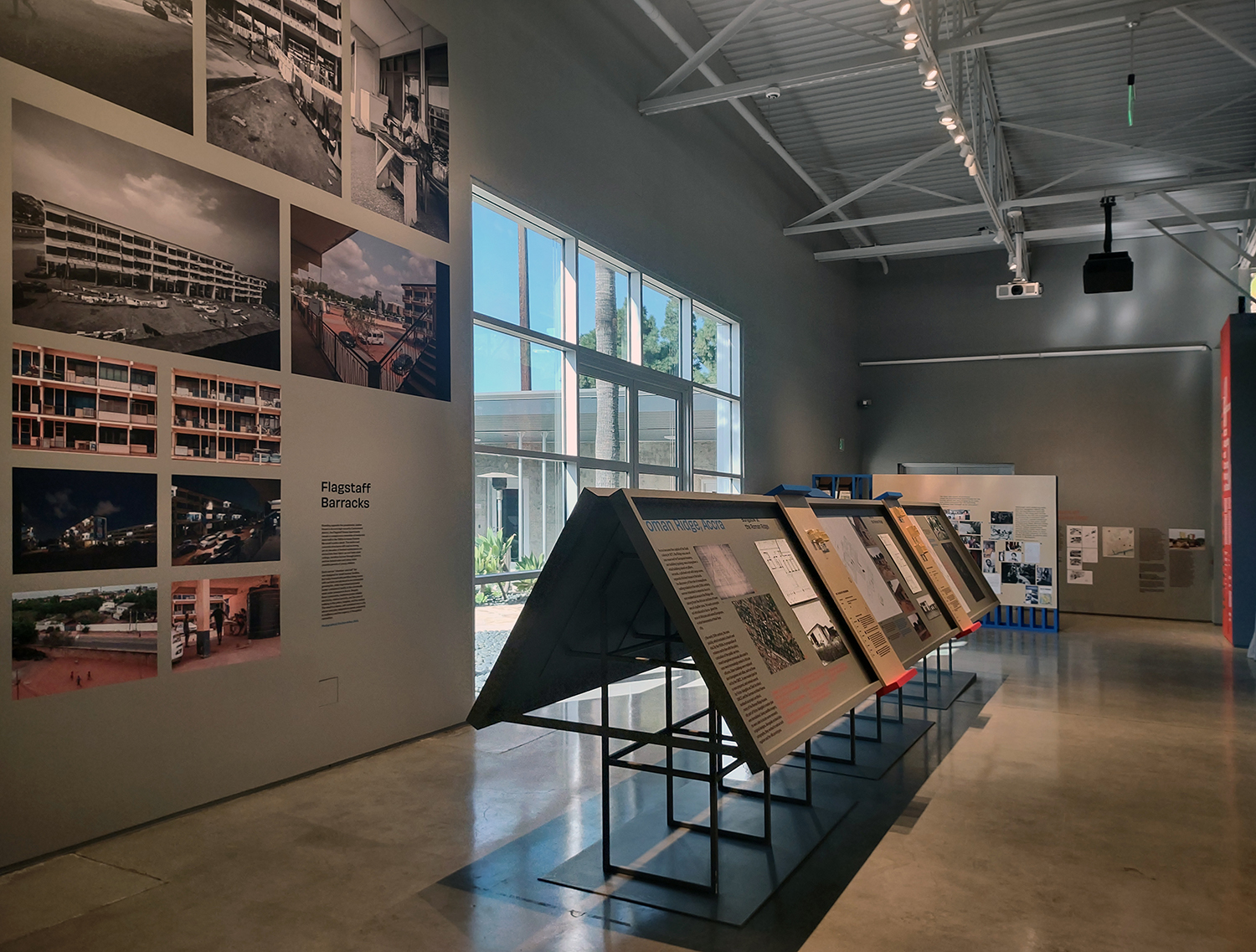
The exhibition Intersections: The Architecture of Victor Adegbite and Charles Polónyi in Ghana was opened at The Wende Museum in Los Angeles. Curated by Office Southeast in collaboration with Dana Salama, Intersections explores how architecture shaped the ambitions of newly independent Ghana during the 1960s. The exhibition centers on two encounters. The first was the collaboration between Ghanaian architect Victor Adegbite and Hungarian architect Charles Polónyi who, in the wake of Ghana’s independence (1957), designed housing schemes that responded to Ghana’s needs, means, and aspirations. Archival documents, analytical drawings, and contemporary photographs by Ghanaian photographer Eric Don-Arthur show how Adegbite’s and Polónyi’s buildings continue to structure life in Accra today. The second encounter takes place in the exhibition space between two archives, preserved by the architects’ daughters in the United States and Hungary. They reveal how the history of modern architecture is made possible by personal acts of memory and care.
November 8, 2025
Introducing Office Southeast

Building upon several years of collaboration, Michael Gameli Dziwornu and I have launched Office Southeast, an urban research collaborative based in Accra, Ghana. The name reflects our respective trajectories, but also our approach to seek methods and concepts outside hegemonic centers of knowledge production.
October 20, 2025
New Essay: Women Architects from Eastern Europe in Africa during the Global Cold War

I have contributed to the monumental Bloomsbury Global Encyclopedia of Women in Architecture 1960-2020, edited by Lori A. Brown and Karen Burns, with Hannah Le Roux as the editor for Africa section. This entry explores the significant, yet often overlooked, contributions of Eastern European women architects in newly independent African countries and shows how their conditions of labor were shaped by gender expectations, Cold War politics, racial imaginaries, and competing visions of decolonization.
August 26, 2025
Graham Foundation Grant: The Gift. Spaces of Global Socialism and Their Afterlives

I am grateful to the Graham Foundation for Advanced Studies in the Fine Arts for supporting our book The Gift: Spaces of Global Socialism and Their Afterlives. The project expands on several initiatives from recent years, notably The British Academy conference in Manchester (2022) and the exhibition at the Architekturmuseum der TUM in Munich (2024). The book’s greatest strength lies in its contributors, who broaden the range of voices in architectural scholarship and explore new forms of collaborative work: Fantahun Ayele, Daria Azbayar, Boris Chukhovich, Yanjinlkham Dashtseren, Kojo Derban, Korkor Ebeheakey, Claudia Gastrow, Suha Hasan, Ana Ivanovska, Damjan Kokanevski, Vladimir Kulic, Ksenia Litvinenko, Ye Liu, Kulshat Medeuova, Monika Motylińska, Thuc Linh Nguyen Vu, Kwasi Ohene-Ayeh, Uurtsaikh Sangi, Christina Schwenkel, Ke Song, Alevtina Solovyova, Setiadi Sopandii, Paul Sprute, Miruna Stroe, and GerHub.
August 7, 2025
New essay: Global Trajectories of Polish Architects in the Cold War
In: Anti-Atlas. Critical Area Studies from the East of the West, edited by Tim Beasley-Murray, Wendy Bracewell, and Michał Murawski (London: UCL Press, 2025), 301-7
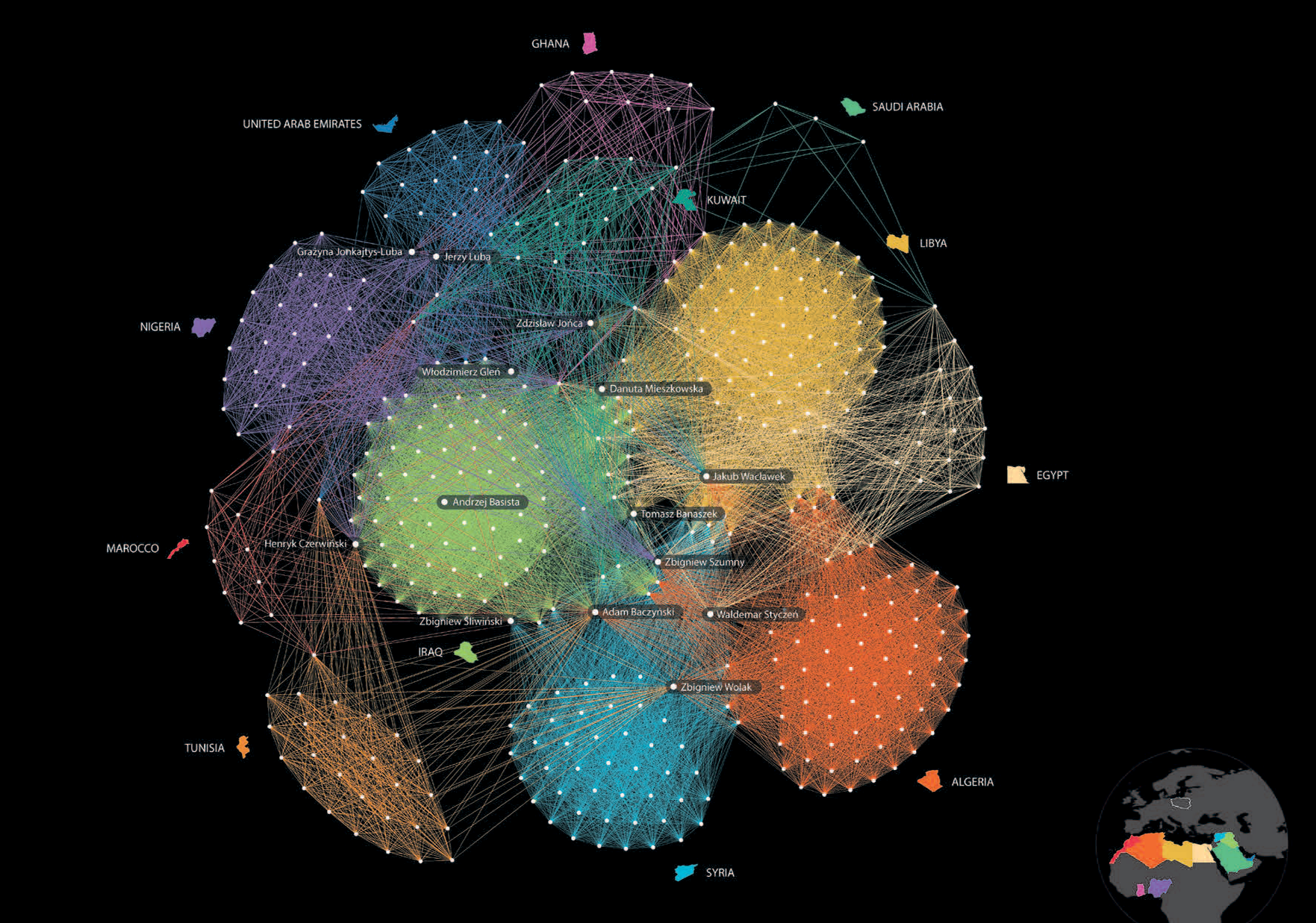
My contribution to the Anti-Atlas is an annotated diagram mapping the trajectories of 417 architects and planners from socialist Poland who worked in Africa and the Middle East during the Cold War. Focusing on the top 12 recipient countries in terms of project volume, this diagram is based on information from professional dossiers submitted to the SARP (Society of Polish Architects) in Warsaw. Data from these individual dossiers was transcribed and analyzed using social network analysis software. More than just a representation of existing knowledge, the resulting diagram becomes a generator of new insights. For example, it identifies the largest recipient countries of architectural labor from the People’s Republic of Poland (Libya, Algeria, Syria, and Iraq), illustrates patterns and volumes of mobility of Polish architects, and highlights individuals with unique career trajectories, which can be further explored by examining their dossiers. By consolidating individual trajectories into a single, comprehensive map, it presents a geography of architectural exchanges from the 1950s to the 1980s that goes beyond Cold War narratives of a world divided into two blocs. In so doing it offers a more multilateral and antagonistic understanding of global urbanization and its architecture.
February 28, 2025
Workshop: Land, Deed, and Debt: University Campuses in West Africa
Workshop on March 27, 2025 at Taubman College of Architecture and Urban Planning, University of Michigan, Ann Arbor, organized by Kuukuwa Manful and Łukasz Stanek
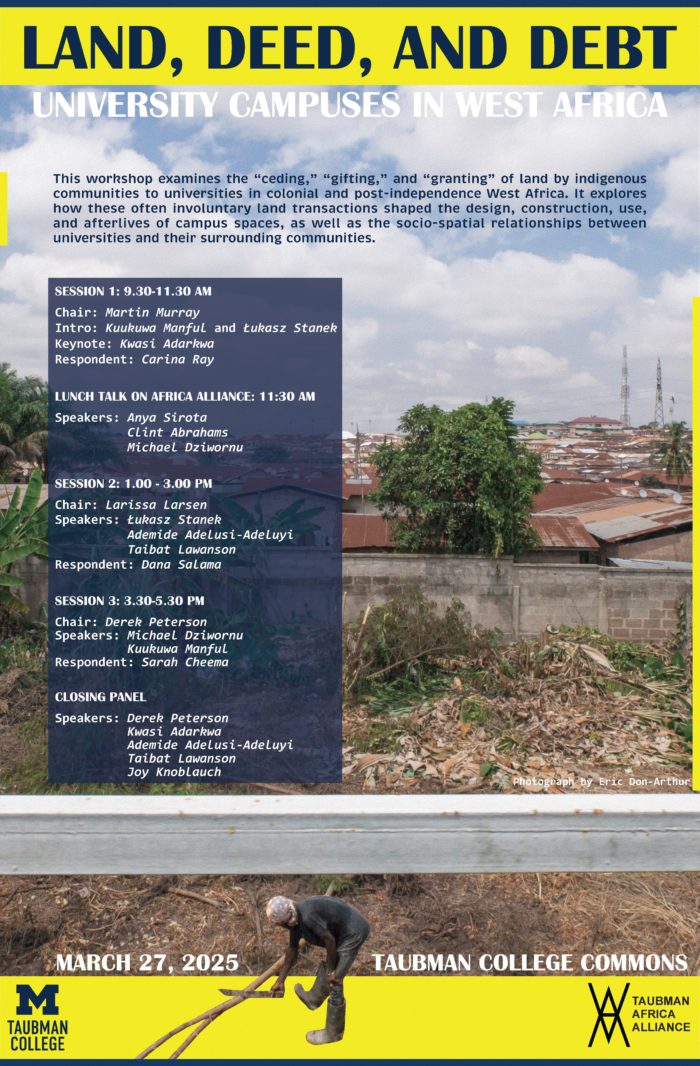
The Land, Deed, and Debt workshop examines the consequences of the “ceding,” “gifting,” and “granting” of land by Indigenous communities for the establishment and expansion of higher education institutions in colonial and post-independence West Africa. Participants study how these often-forced land transfers have shaped the design, construction, and use of space on and around campuses, as well as the socio-spatial relationships between communities and universities. Organized by Łukasz Stanek and Kuukuwa Manful, the workshop fosters an international comparative perspective on the histories of land transferred by Indigenous peoples to educational institutions.
March 4, 2025
New paper: Hegemony by Adaptation. Decolonizing Ghana’s Construction Industry
Comparative Studies in Society and History (2024), 1-34
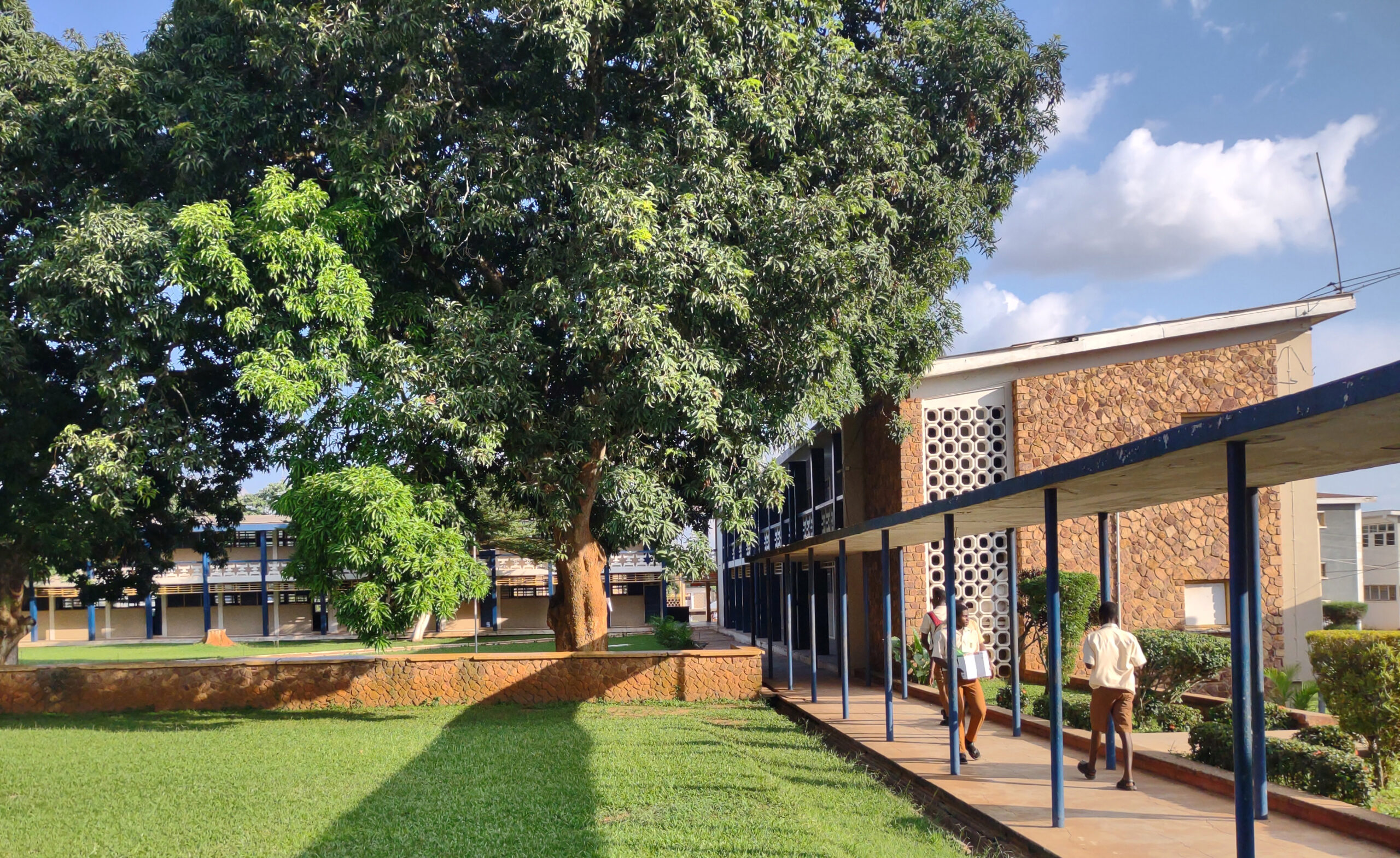
This paper discusses competing visions of the decolonization of Ghana’s economy during the first decade of the country’s independence from Britain (1957–1966), and the agency and horizon of choice available to the Ghanaian decision-makers in charge of implementing these visions. It focuses on Ghana’s construction industry, both as an important part of the national economy and as a condition for Ghana’s broader social and economic development in the context of colonial-era path-dependencies and Cold War competition. By taking the vantage point of mid-level administrators and professionals, the paper shows how they negotiated British and Soviet technological offers of construction materials, machinery, and design. In response to Soviet claims about the adaptability of their construction resources to Ghana’s local conditions, the practice of adaptation became for Ghanaian architects and administrators an opportunity to reflect on the needs, means, and objectives of Ghana’s construction industry, and on broader visions of Ghana’s economic and social development. Beyond the specific focus on the construction industry, this paper conceptualizes the centrality of adaptation in enforcing technological hegemony during the period of decolonization, and discusses African agency beyond the registers of extraction and resistance that have dominated scholarship on the global Cold War
October 8, 2024